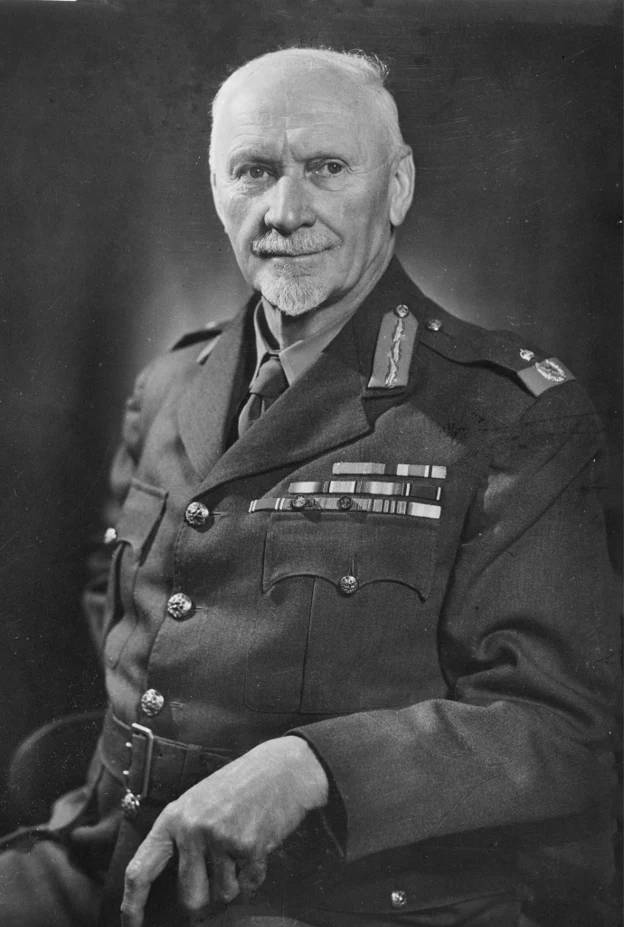
On 6 September 1939, the Union of South Africa followed the United Kingdom’s earlier declaration war on Nazi Germany. World War II had now officially begun and South Africa joined in the fight to liberate Europe from the tyranny of the Nazis.
South African Jews rushed to support the war effort to the maximum. The South African Jewish community jointly launched with the Zionist Federation and the Board of Deputies the United South African Jewish War Appeal in 1940, the proceeds of which were to be used for reconstruction of the Yishuv in what was then the British Mandate for Palestine.
Important work was done by WIZO in assisting refugee women and children. The Union of Jewish Women of South Africa, formed in 1931 and representing all sections of South African Jewish women, also raised large amounts for the Mandate. Anti-Semitism was still rife in South Africa; and the SAZF began increasing its output of information on Zionism and the Mandate.
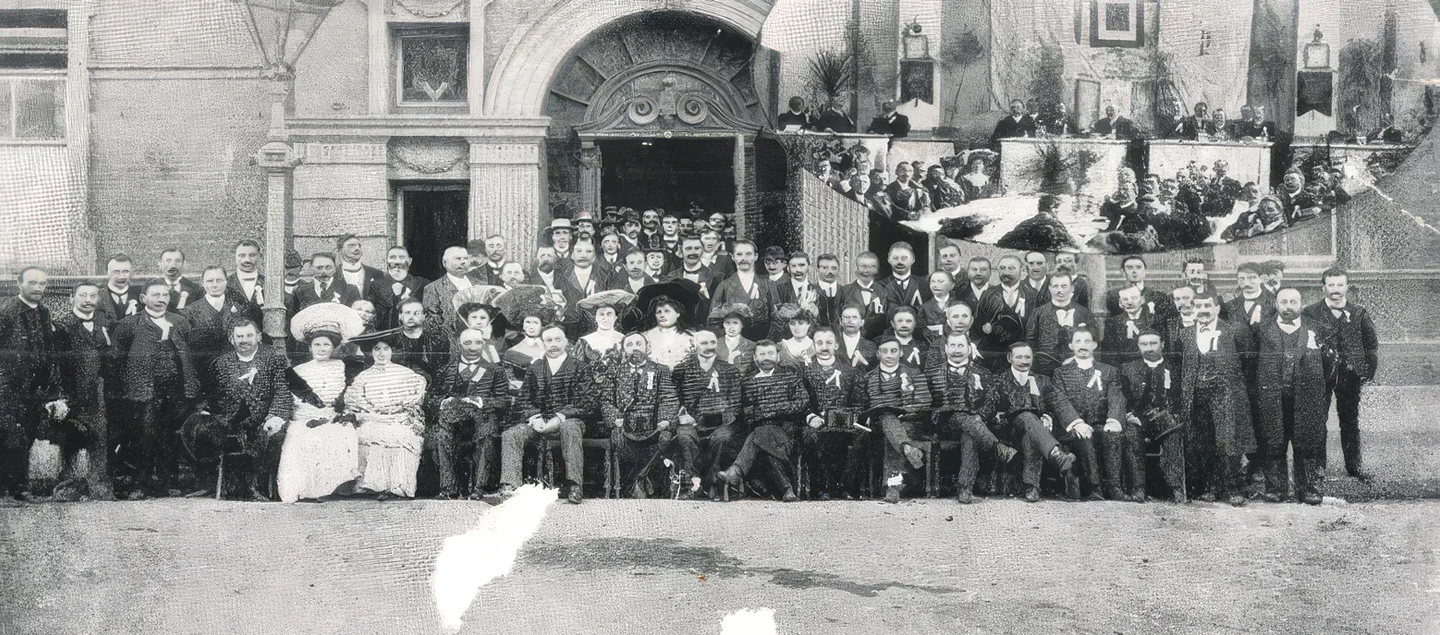
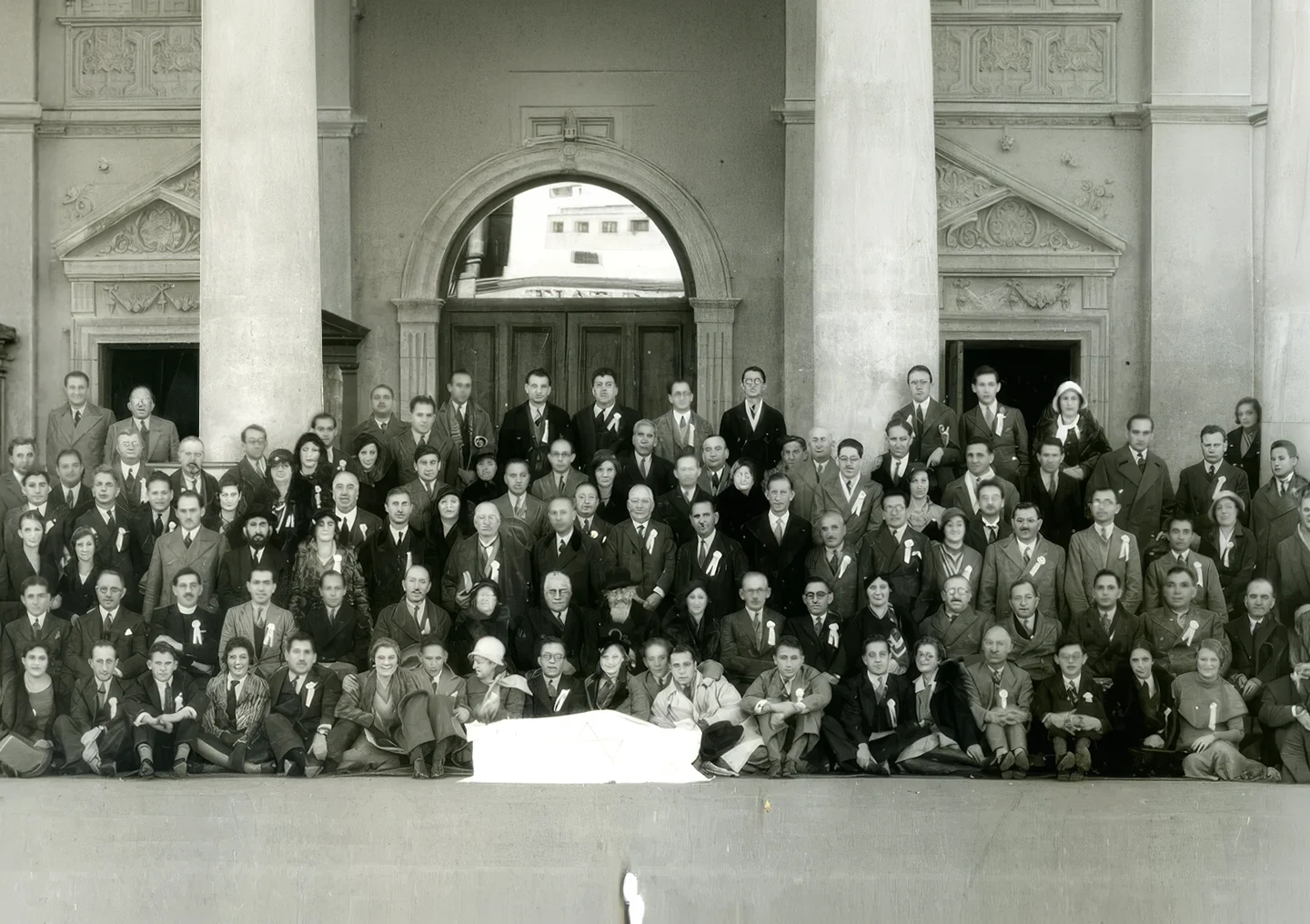
In 1943 the Western Province Zionist Council was formed to co-ordinate and centralize Zionist endeavours in that province, as was the Natal Zionist Council. In the same year the Bulawayo Chovevei Zion arranged a conference in order to create the Rhodesian Zionist Council, which became an affiliate of the SAZF until 1964 and the establishment of the Central African Zionist Organisation (CAZO). In 1949, the Bulawayo Chovevei Zion chaired by Abe Abrahamson hosted the largest Jewish gathering in Rhodesia’s history.
In this decade, the Jewish community issued a declaration pledging support for three demands: the immediate opening of the gates of the Mandate, a Jewish Army and the re-establishment of the Mandate as a Jewish Commonwealth. More than 37,000 people signed the Declaration.
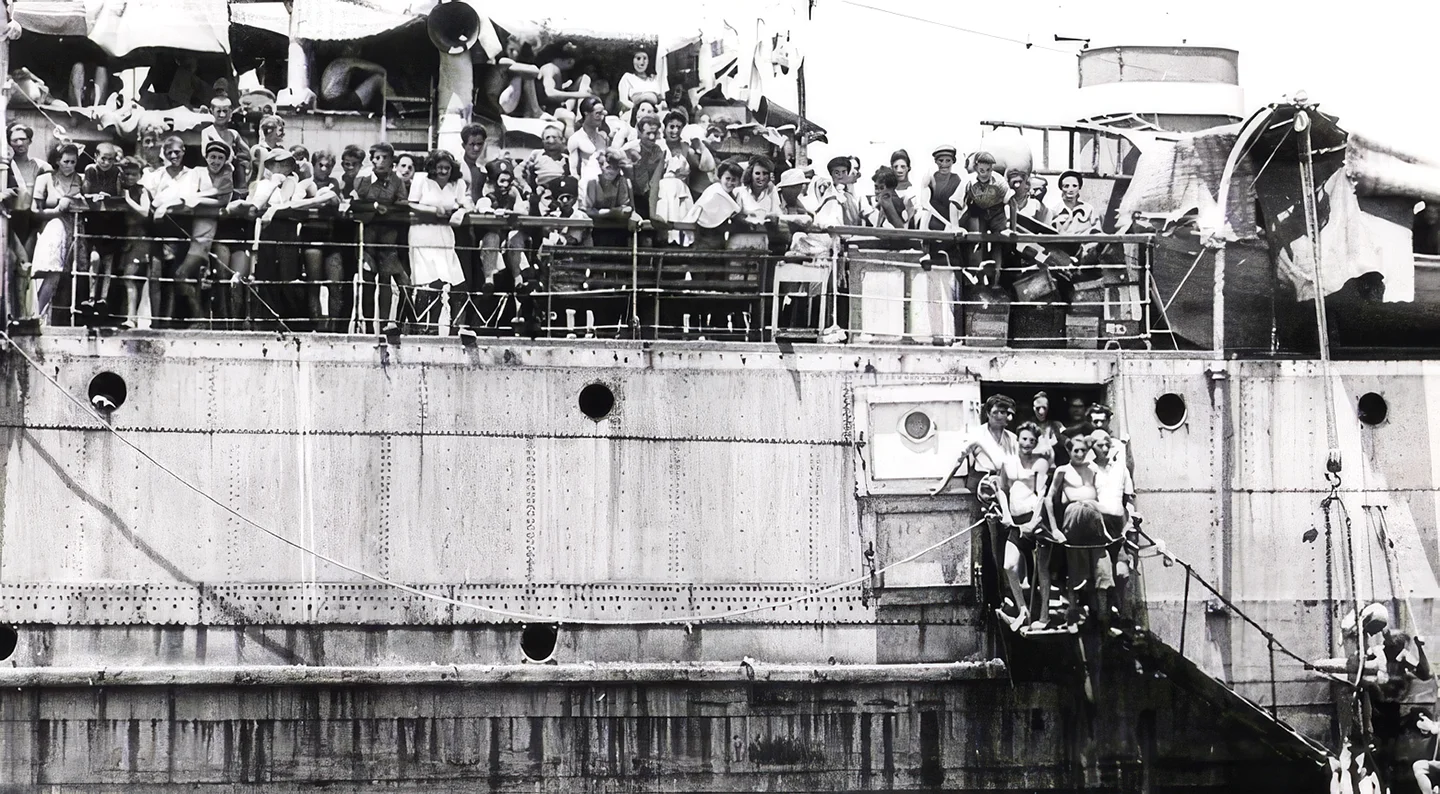
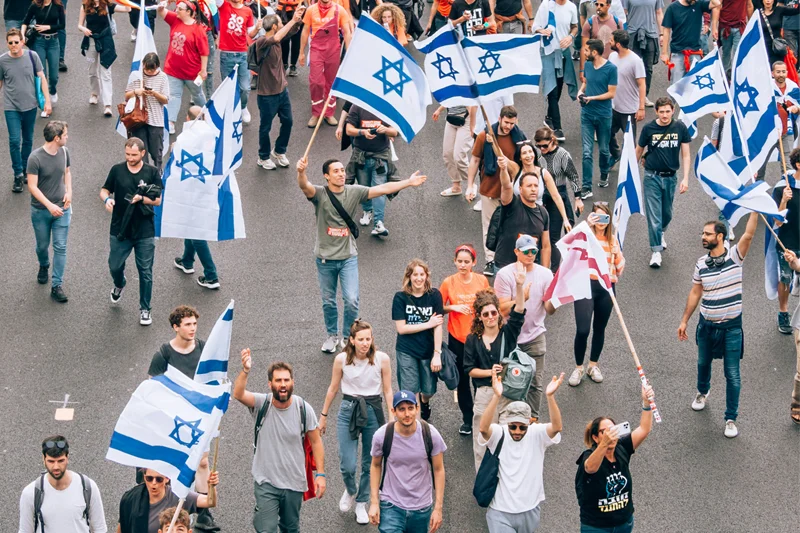
In 1946 the SAZF and the Board of Deputies organized a march of 15 000 Jews through the streets of Johannesburg to protest the British occupation of the Jewish Agency’s offices in the Mandate and the arrest of its leaders. Meanwhile survivors of the Holocaust on their way to the Mandate through Africa were assisted by the SAZF. They were refused admission to reach the Mandate and about 1500 Jews spent many years in internment camps in Mauritius.
The Palestine Emergency Fund was launched at a meeting of the South African Zionist Council with representatives from the Jewish Board of Deputies and the S.A. Jewish Appeal; and the Israeli United Appeal was launched by the SAZF in conjunction with the SA Jewish Appeal to meet the needs of the newly-established state of Israel and the Jewish refugees in Europe.